Clicca qui per leggere la recensione.
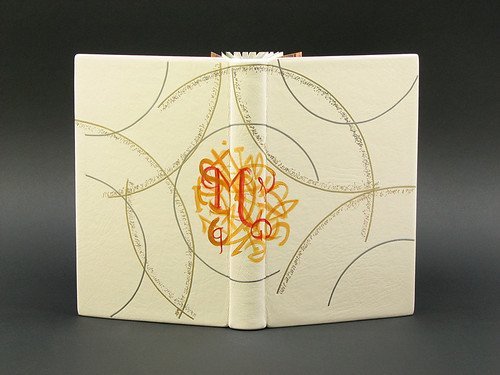


L'istruttoria, "Oratorio in undici canti" (Die Ermittlung. Oratorium in 11 Gesängen.), è un'opera teatrale del drammaturgo tedesco Peter Weiss. Il dramma si basa sulle note prese da Weiss (e in gran parte sui resoconti redatti da Bernd Naumann per la « Frankfurter Allgemeine Zeitung ») durante le sedute del processo contro un gruppo di SS e di funzionari del Lager di Auschwitz, che si tenne a Francoforte sul Meno tra il 10 dicembre 1963 e il 20 agosto 1965. Questo fu il primo processo voluto dal governo tedesco per giudicare le responsabilità del nazismo nella tragedia dell'olocausto. Nelle 183 giornate di processo vennero ascoltati 409 testimoni, 248 dei quali sopravvissuti al campo di sterminio. La sentenza fu emessa il 19 agosto del 1965; 6 imputati furono condannati all'ergastolo, 11 furono condannati dai 3 ai 14 anni di prigione, 3 furono assolti. Il titolo originale Die Ermittlung non significa solo "istruttoria" in senso giuridico, ma è anche indagine, o "accertamento della verità", connotando questo testo come documento di testimonianza civile. I personaggi del giudice, del difensore, del procuratore, i diciotto accusati e i nove testimoni anonimi (ognuno dei quali dà voce alle parole di più di un testimone reale) danno vita a questo oratorio civile e documentario nel quale l'intera drammaturgia non si discosta mai da parole realmente pronunciate nell'aula del tribunale.


The Investigation is a play by Peter Weiss written in 1965 which depicts the Frankfurt Auschwitz Trials of 1963-1965. It premiered on October 19, 1965 on stages in fourteen West and East German cities and at the Royal Shakespeare Company in London. It carries the subtitle "Oratorio in 11 Cantos". Weiss was an observer at the trials and developed the play partially from the reports of Bernd Naumann. The Investigation is divided into eleven "cantos". These are arranged by theme and depict the path of the victims from the ramp upon arrival at Auschwitz all the way to the furnaces, so that ever more gruesome aspects of the anonymous genocide are described. Weiss deliberately avoided embellishing elements. The stage is supposed to depict only a bald courtroom and every distraction from the witness reports are to be avoided.


